Total population
84,608
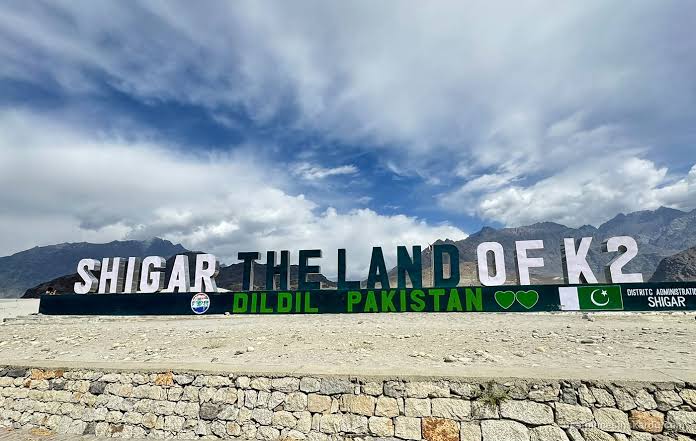
Shigar is a Baltistan district known for its historic settlements, Shigar Fort, agricultural valleys and access routes towards the high mountains of the Karakoram.
84,608
4,173 km²
4 tehsils · 10 union councils · centre Shigar
| Indicator | Value |
|---|---|
| Total population (2023) | 84,608 |
| Area | 4,173 km² |
| Tehsils | 4 |
| Union councils | 10 |
| Administrative centre | Shigar |
| Schools | 114 |
| Colleges | 1 |
| DHQ hospitals | 1 |
| THQ hospitals | 1 |
| Police stations | 2 |
| Civil courts | 1 |
| Type | Count |
|---|---|
| Schools | 114 |
| Colleges | 1 |
| Police stations | 2 |
| Civil courts | 1 |
| Facility type | Count |
|---|---|
| DHQ | 1 |
| THQ | 1 |
The compilation records 1 THQ hospital for Shigar, with a note that THQ coverage is counted across Gilgit-Baltistan.
| Constituency | Member | Party |
|---|---|---|
| GBA-12 Shigar | Imran Nadeem | Pakistan Peoples Party |
Roads connecting Shigar Valley with Skardu and remote mountain settlements face landslide risks, flood damage and difficult access to high-altitude areas.
Maintaining safe drinking-water supplies and reliable irrigation infrastructure is challenging for scattered communities and agricultural settlements.
Limited local specialist services and difficult access to larger hospitals can delay treatment for residents in remote areas.
Dependence on agriculture, seasonal tourism and a limited formal economy restricts year-round employment opportunities.
Tourism waste, glacier-related hazards, flash floods and pressure on fragile mountain landscapes require improved environmental management.