Total population
65,497
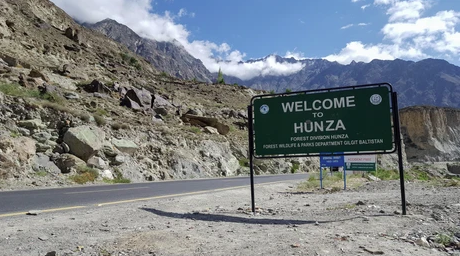
Hunza is a major tourism destination, recognised for its mountain scenery, historic forts, terraced agriculture and communities along the Karakoram Highway. Aliabad is a principal administrative and commercial centre.
65,497
10,109 km²
5 tehsils · 8 union councils · centre Aliabad
| Indicator | Value |
|---|---|
| Total population (2023) | 65,497 |
| Area | 10,109 km² |
| Tehsils | 5 |
| Union councils | 8 |
| Administrative centre | Aliabad |
| Schools | 54 |
| Colleges | 2 |
| Police stations | 5 |
| Civil courts | 2 |
| Type | Count |
|---|---|
| Schools | 54 |
| Colleges | 2 |
| Police stations | 5 |
| Civil courts | 2 |
| Constituency | Member | Party |
|---|---|---|
| GBA-6 Hunza | Naik Nam Karm | Pakistan Peoples Party |
Heavy tourist traffic, landslides and road closures along the Karakoram Highway can disrupt local mobility, trade and access to surrounding villages.
Growing tourism and settlement demand place pressure on drinking-water distribution, sanitation and local water resources.
Limited specialised medical services mean some patients must travel to Gilgit or other larger centres for advanced treatment.
Although tourism creates jobs, seasonal demand, limited economic diversification and skills mismatches constrain stable employment for local youth.
Tourism waste, pressure on water resources, glacier-related hazards and climate change threaten Hunza’s landscape and local livelihoods.