Total population
200,069
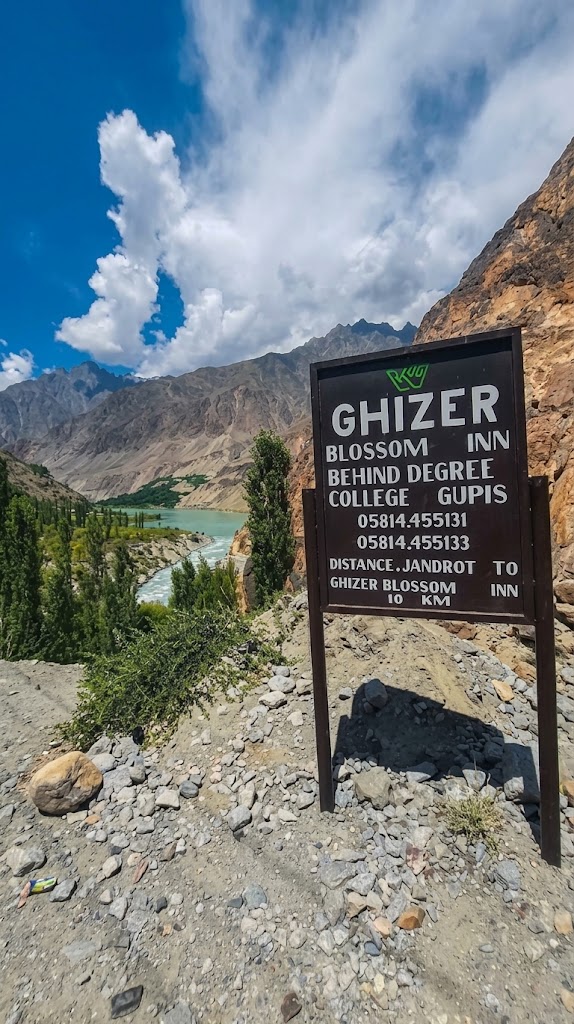
Ghizer is known for its valleys, rivers, lakes and agricultural settlements. Gahkuch is its administrative centre, while Gupis, Yasin and Phander are among its notable areas.
200,069
12,381 km²
5 tehsils · 15 union councils · centre Gahkuch
| Indicator | Value |
|---|---|
| Total population (2023) | 200,069 |
| Area | 12,381 km² |
| Tehsils | 5 |
| Union councils | 15 |
| Administrative centre | Gahkuch |
| Schools | 203 |
| Colleges | 5 |
| DHQ hospitals | 1 |
| THQ hospitals | 1 |
| Police stations | 8 |
| Civil courts | 2 |
| Type | Count |
|---|---|
| Schools | 203 |
| Colleges | 5 |
| Police stations | 8 |
| Civil courts | 2 |
| Facility type | Count |
|---|---|
| DHQ | 1 |
| THQ | 1 |
| Constituency | Member | Party |
|---|---|---|
| GBA-19 Ghizer-I | Syed Jalal Ali Shah | Pakistan Peoples Party |
| GBA-20 Ghizer-II | Abdul Jahan | Pakistan Muslim League–Nawaz |
| GBA-21 Ghizer-III | Aman Ali | Istehkam-e-Pakistan Party |
Roads connecting Gahkuch, Punial, Yasin and Ishkoman are exposed to landslides, flooding and weather-related disruptions.
Seasonal water availability, irrigation requirements and the maintenance of rural water-supply systems challenge local communities.
Dispersed settlements and long distances to major hospitals restrict access to specialised healthcare and emergency services.
Limited formal employment and the seasonal nature of tourism constrain livelihood opportunities, particularly for young people in remote valleys.
Glacial hazards, flash floods, riverbank erosion and unmanaged tourism waste threaten settlements, agricultural land and natural habitats.