Total population
337,329
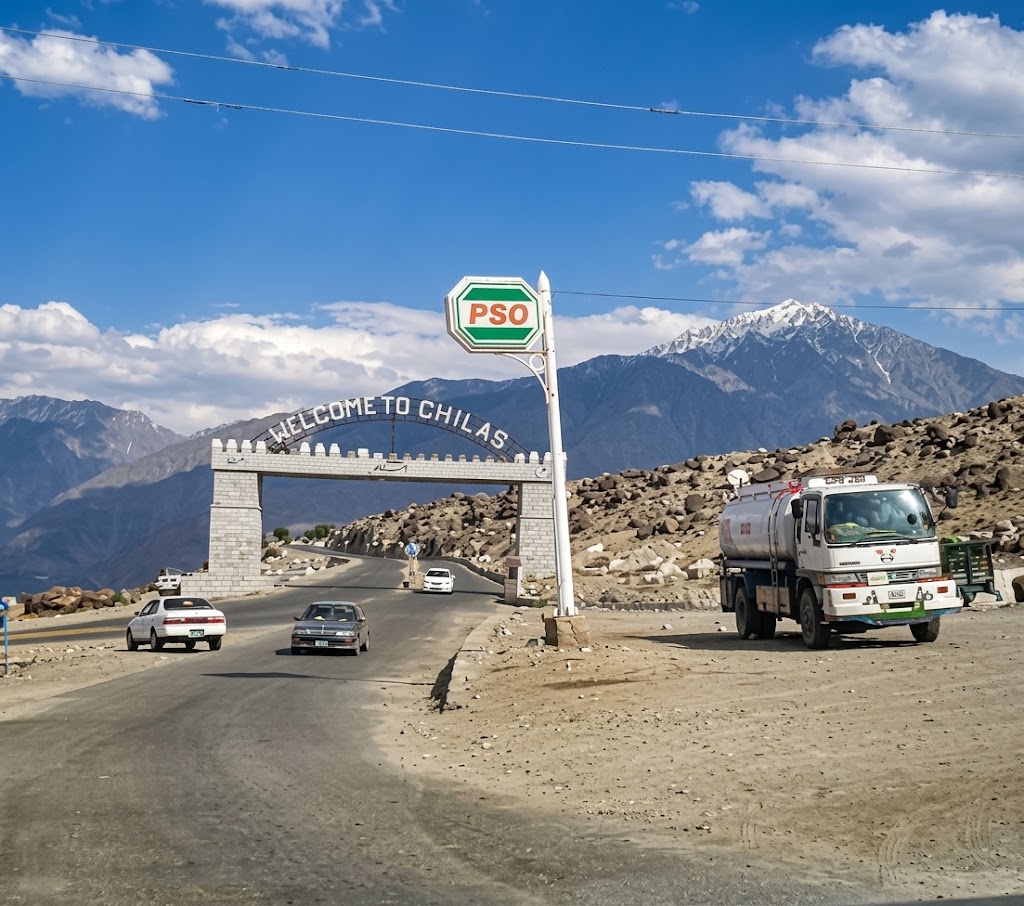
Diamer is a mountainous district along the Indus River, with Chilas as its principal administrative centre. The district is strategically important because of the Karakoram Highway and the Diamer-Bhasha Dam region.
337,329
7,234 km²
6 tehsils · 10 union councils · centre Chilas
| Indicator | Value |
|---|---|
| Total population (2023) | 337,329 |
| Area | 7,234 km² |
| Tehsils | 6 |
| Union councils | 10 |
| Administrative centre | Chilas |
| Schools | 437 |
| Colleges | 3 |
| DHQ hospitals | 1 |
| THQ hospitals | 1 |
| Police stations | 12 |
| Civil courts | 3 |
| Type | Count |
|---|---|
| Schools | 437 |
| Colleges | 3 |
| Police stations | 12 |
| Civil courts | 3 |
| Facility type | Count |
|---|---|
| DHQ | 1 |
| THQ | 1 |
| Constituency | Member | Party |
|---|---|---|
| GBA-15 Diamer-I | Mohammad Dilpazir | Istehkam-e-Pakistan Party |
| GBA-16 Diamer-II | Atta Ullah | Pakistan Peoples Party |
| GBA-17 Diamer-III | Mohammad Naseem | Pakistan Peoples Party |
| GBA-18 Diamer-IV | Malik Kifayat ur Rehman | Pakistan Muslim League–Nawaz |
The Karakoram Highway and roads connecting remote settlements face landslides, rockfalls and flood damage, disrupting travel and goods transportation.
Remote communities face challenges in maintaining reliable drinking-water systems and irrigation supplies, particularly during seasonal shortages.
Scattered settlements, long travel distances and limited access to specialised services create barriers to timely medical treatment.
Limited industrial development and formal-sector employment leave many households dependent on agriculture, livestock, trade and public-sector jobs.
Deforestation, land degradation, disaster-related erosion and the environmental impacts associated with major infrastructure projects require sustained management.