Total population
111,573
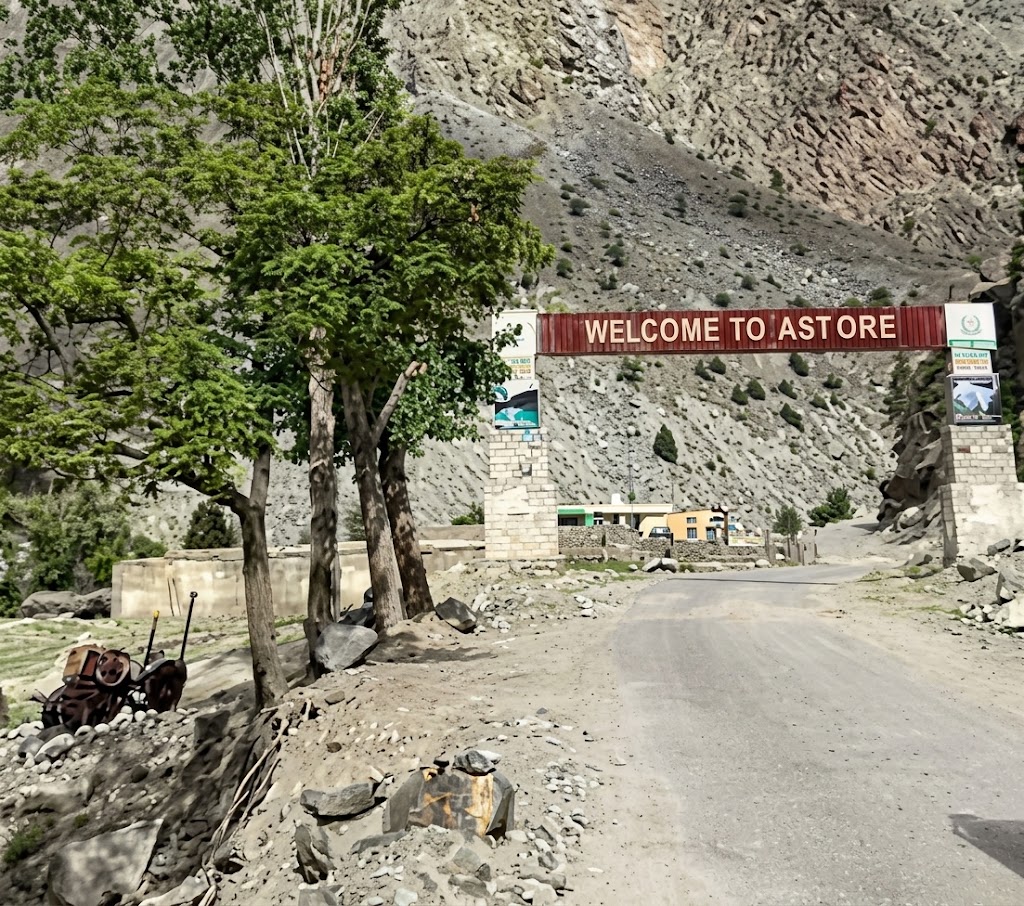
Astore is a mountainous district known for alpine pastures, agricultural communities and access to Deosai National Park and the Nanga Parbat region, with Gorikot among its main administrative centres.
111,573
5,411 km²
2 tehsils · 5 union councils · centre Gorikot
| Indicator | Value |
|---|---|
| Total population (2023) | 111,573 |
| Area | 5,411 km² |
| Tehsils | 2 |
| Union councils | 5 |
| Administrative centre | Gorikot |
| Schools | 165 |
| Colleges | 1 |
| DHQ hospitals | 1 |
| THQ hospitals | 1 |
| Police stations | 6 |
| Civil courts | 2 |
| Type | Count |
|---|---|
| Schools | 165 |
| Colleges | 1 |
| Police stations | 6 |
| Civil courts | 2 |
| Facility type | Count |
|---|---|
| DHQ | 1 |
| THQ | 1 |
| Constituency | Member | Party |
|---|---|---|
| GBA-13 Astore-I (General) — Astore | Rana Farman Ali | Pakistan Muslim League - Nawaz |
| GBA-14 Astore-II (General) — Astore | Rana Mohammad Farooq | Pakistan Muslim League - Nawaz |
| Technocrat Astore | Sahib Khan | Pakistan Muslim League – Nawaz |
Mountainous terrain, landslides, snowfall and weather-related road closures can disrupt access to Astore’s remote settlements and tourism destinations.
Seasonal shortages, irrigation demand and gaps in rural water infrastructure affect reliable water access in some communities.
Remote villages and difficult transport conditions create challenges in reaching hospitals, emergency care and specialised medical services.
A limited formal economy and seasonal tourism restrict year-round job opportunities beyond agriculture, livestock and government employment.
Climate-related hazards, pressure on alpine pastures, forest degradation and tourism waste threaten the district’s sensitive mountain ecosystems.