Time for Provincial Status

Gilgit-Baltistan, covering approximately 72,496 km² with a population of 1.71 million according to the 2023 census, is one of Pakistan’s most strategically important yet constitutionally distinct regions. Despite its vast mountainous territory, international borders, and proximity to the China–Pakistan Economic Corridor, it remains outside Pakistan’s four constitutionally recognized provinces, with limited constitutional representation at the federal level. Its 10 districts span remote valleys and high-altitude settlements where harsh winters, difficult terrain, and long travel distances complicate access to healthcare, education, justice, and public services. Countries with populations smaller than Gilgit-Baltistan, including Luxembourg, Estonia, and Timor-Leste, maintain multiple subnational administrative units. The demand for provincial status is a question of constitutional rights, effective representation, fiscal autonomy, and accountable governance.
Key Socio-Economic Indicators
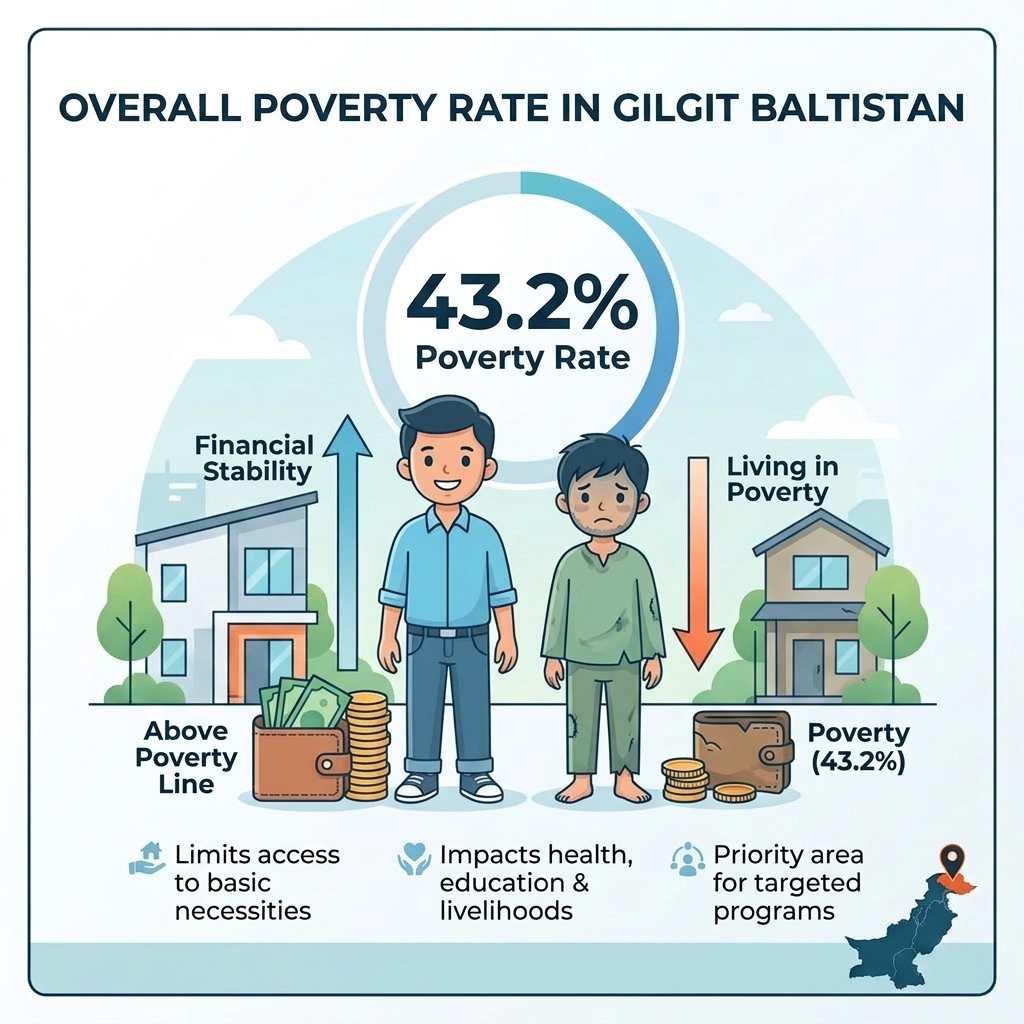
Poverty rate 43.2%
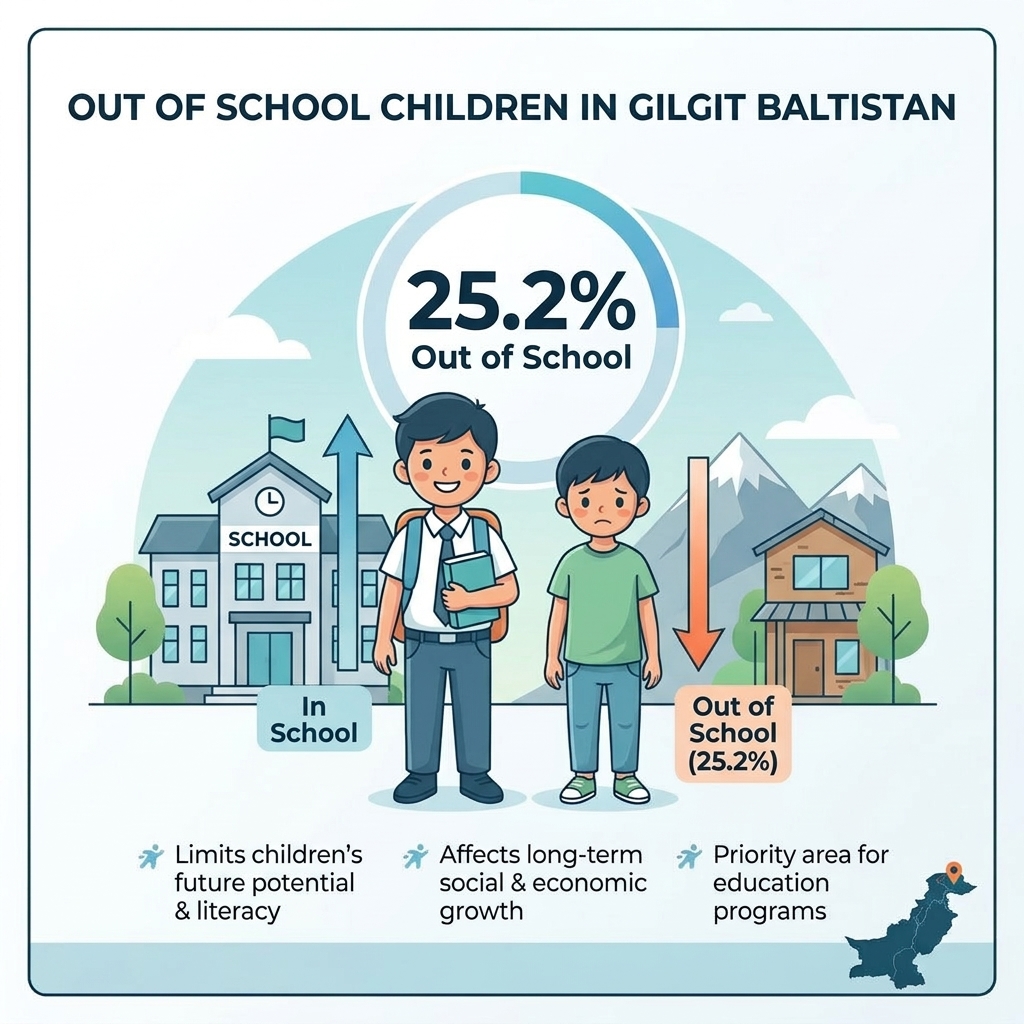
Out-of-school children 25.2%
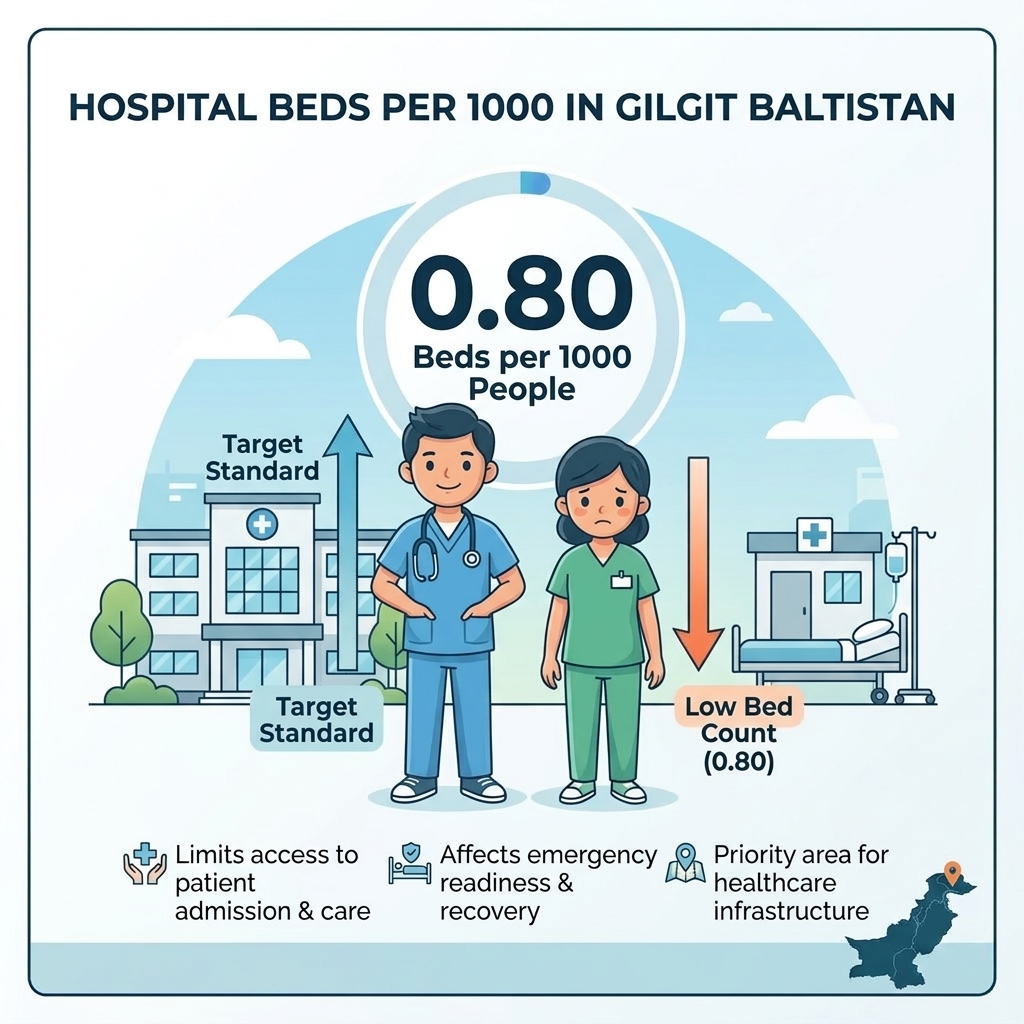
Hospital beds 0.80 per 1,000 people
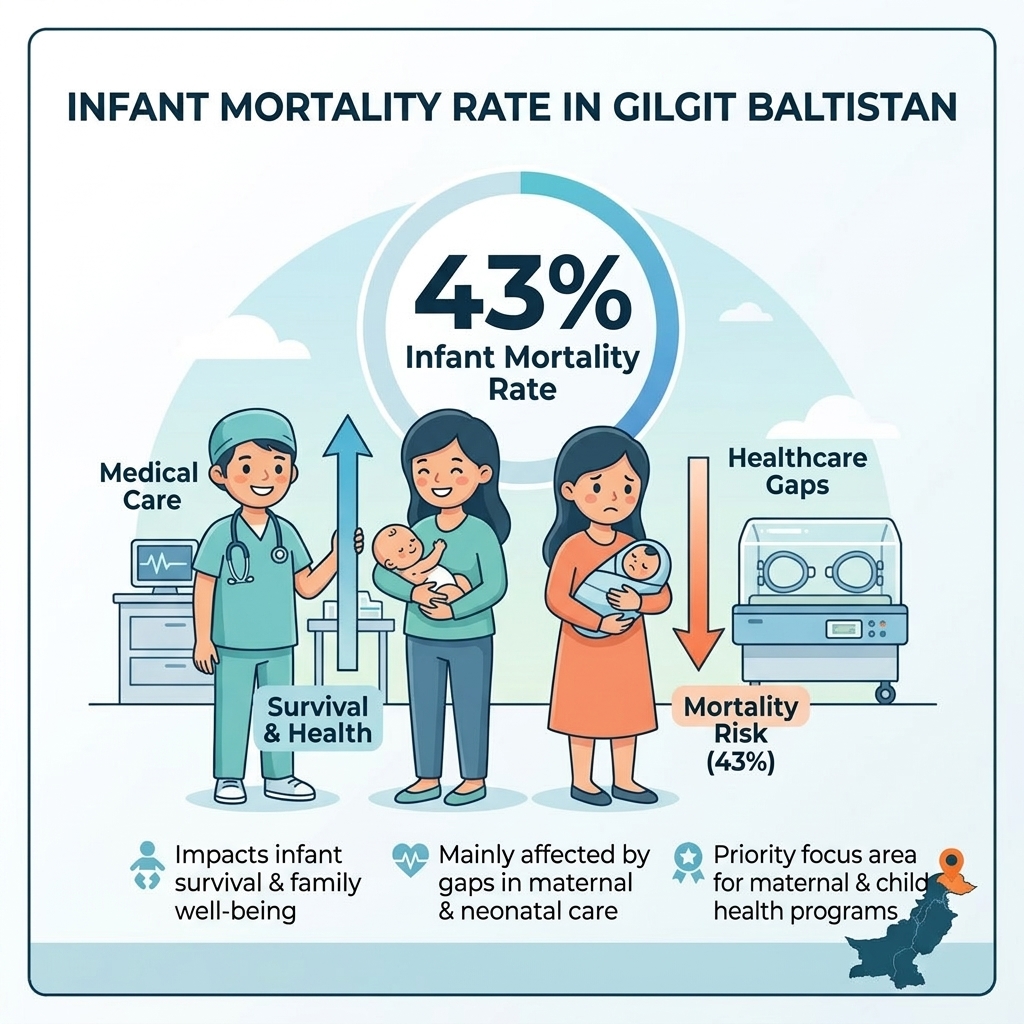
Infant mortality rate 43 per 1,000 live births
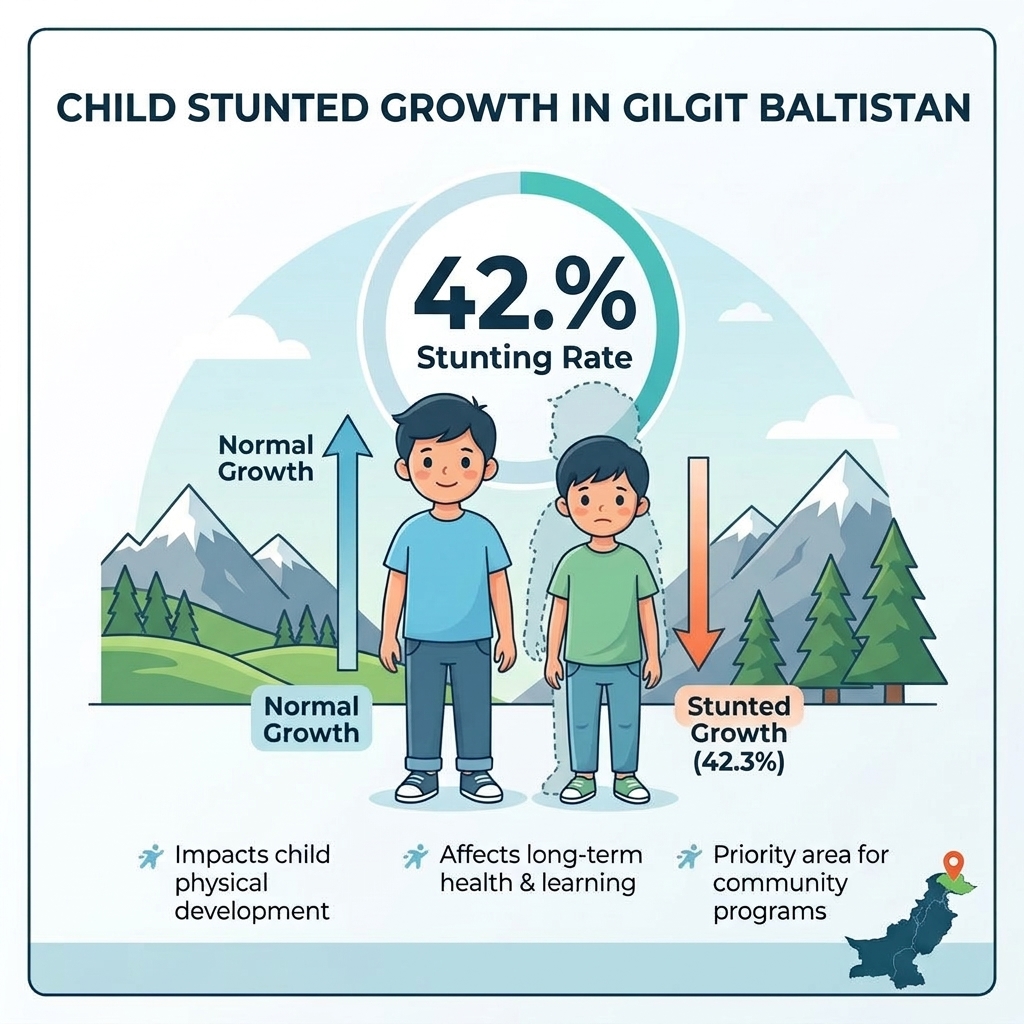
Child stunting growth 42.3
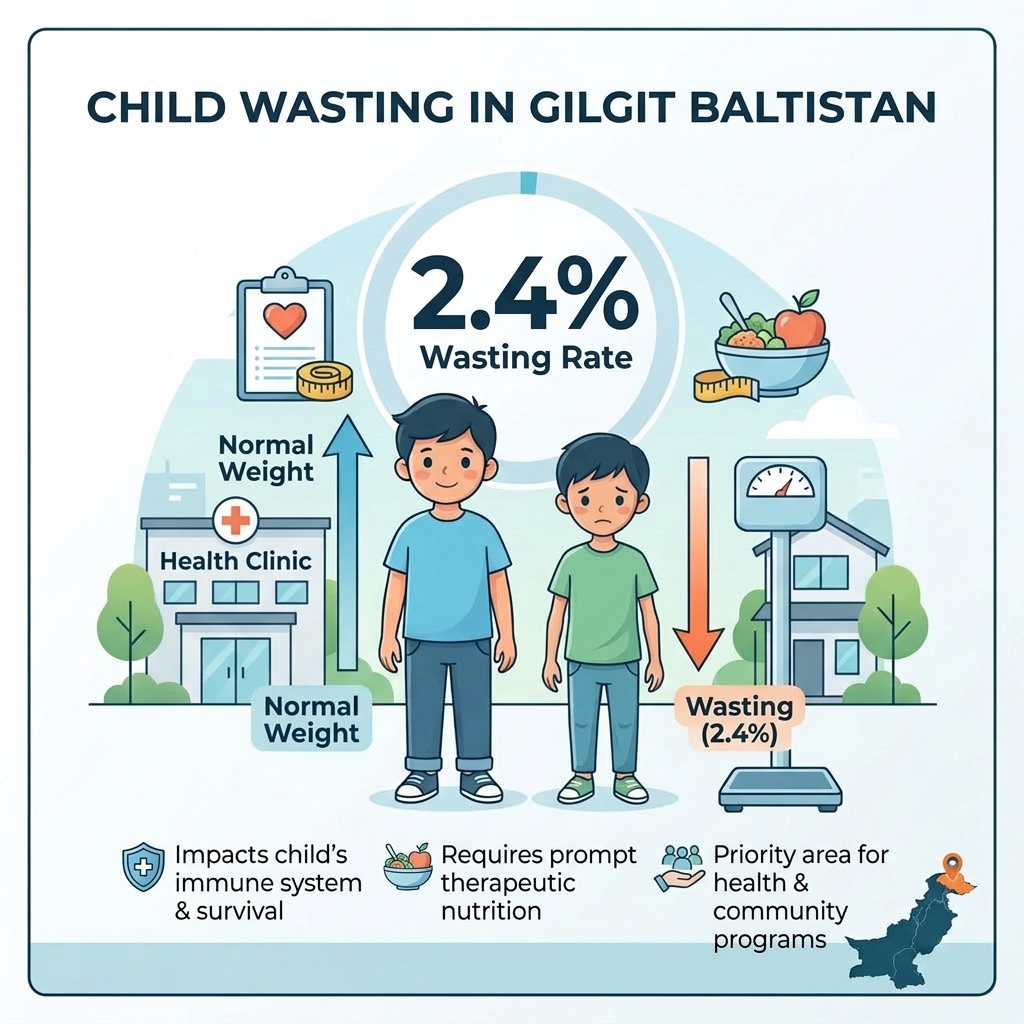
Child wasting 2.4
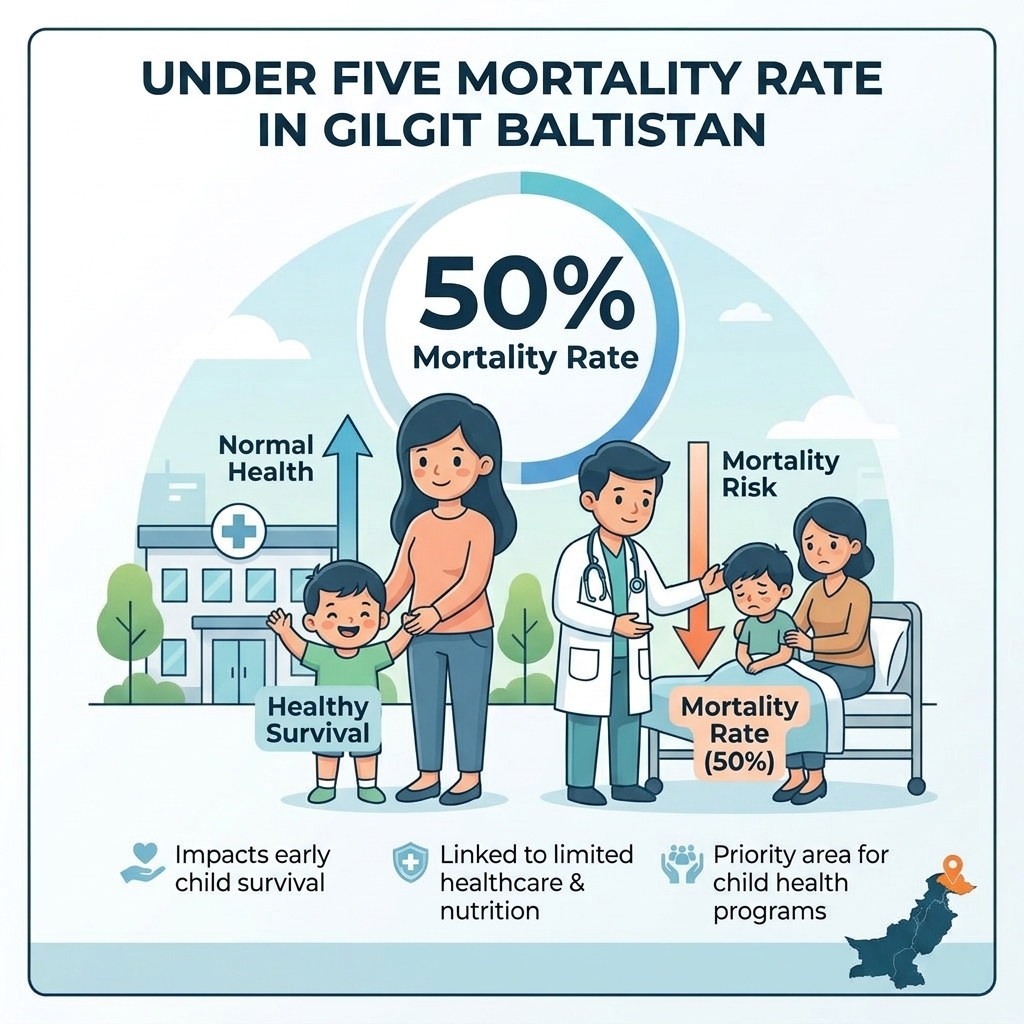
Child mortality rate 50 per 1,000
Poverty rate — 43.2%
Out-of-school children — 25.2%
Hospital beds — 0.80 per 1,000 people
Infant mortality rate — 43 per 1,000 live births
Child stunting growth — 42.3
Child wasting — 2.4
Child mortality rate — 50 per 1,000
10
Districts
23
Tehsils
1,709,049
Population (Census 2023)
72,496
Land area (km²)

Key Challenges

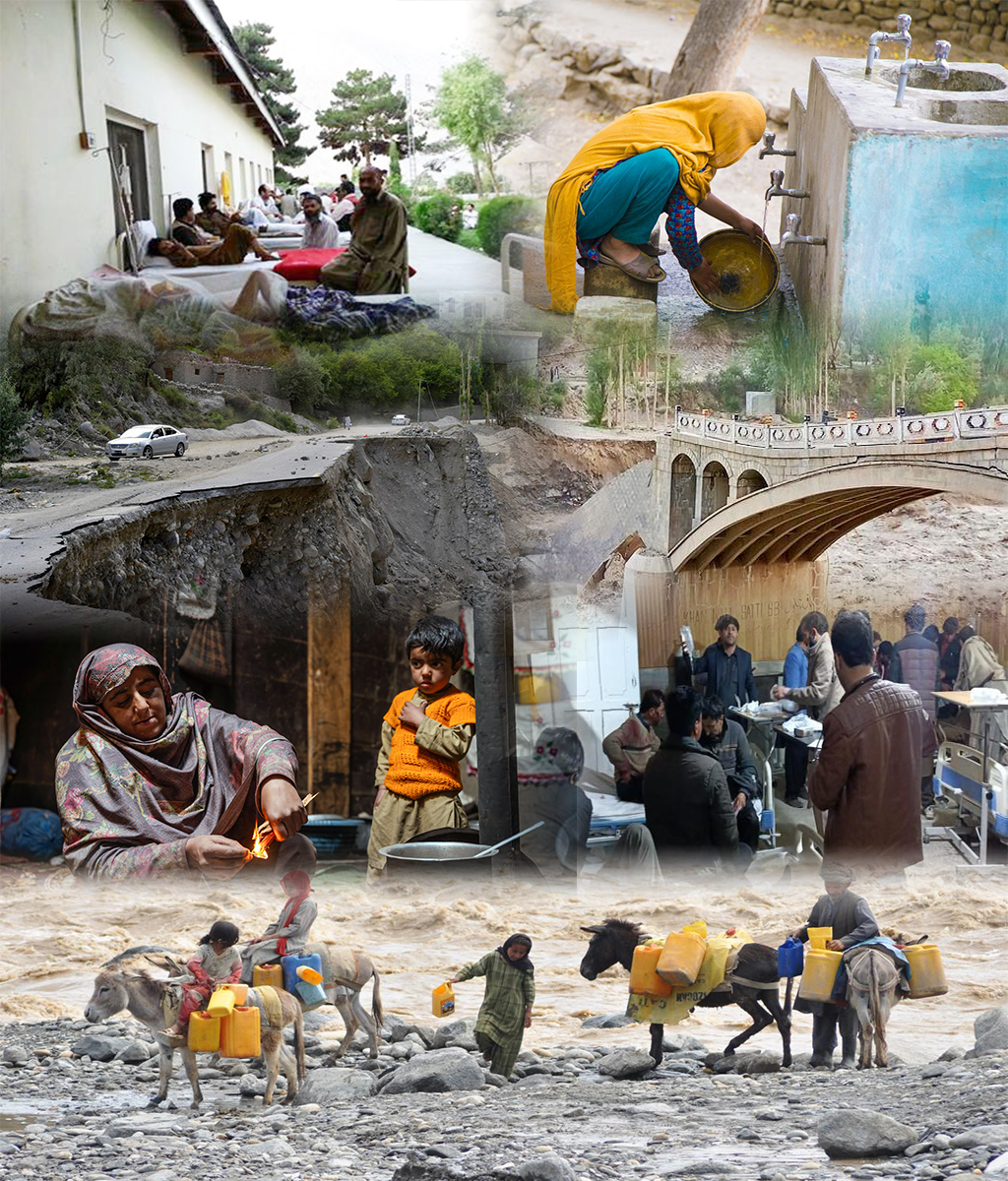
Gilgit-Baltistan is divided into three administrative units — Gilgit, Baltistan, and Diamer-Astore — but it has no official recognition as a province of Pakistan. Harsh terrain and dependence on federal grants shape every public service.

  • Health overload
    Healthcare services face staff shortages, limited medical resources and difficult access to facilities in remote, mountainous communities.
  • Education shortfalls
    Limited access to schools in remote areas, gender disparities and school dropout remain significant. A UNICEF-supported survey reported that approximately 30% of children aged 5–17 were out of school in 2018–19.
  • Sewerage pollution
    Inadequate waste management and pollution threaten local environments. Official regional reports document solid waste, urban pollution and pollution sources affecting Attabad Lake.
  • Drinking water
    Only 15.8% of household members have access to safely managed drinking water. Safe water and sanitation remain a public-health concern, particularly in remote communities.
  • Employment challenges
    Limited private-sector investment, difficult connectivity and a narrow economic base constrain jobs. Tourism offers growth, but infrastructure and investment gaps restrict its wider benefits.
  • Budget allocation
    The FY 2025–26 budget totalled approximately Rs 148.63 billion, including Rs 37 billion for development and an Annual Development Programme of Rs 22 billion. The region relies heavily on federal grants.
Key challenges in Gilgit-Baltistan

Governance deficits in Gilgit-Baltistan

Sewerage overload

There are no mechanical sewage disposal stations or wastewater treatment plants listed for the region. Solid waste and runoff are managed through rudimentary open dumping sites. 50% to 70% of generated municipal waste goes uncollected.

Poor road infrastructure

Key routes, including the Karakoram Highway and the Jaglot–Skardu Road, face recurring landslides, flood damage and deteriorating infrastructure.

Unsafe drinking water

Among 46,000-plus households, 22.7% of household members lack drinking water on the premises. 67.1% have source water testing positive for E. coli at collection, and 74.8% at the household point of use. Only 15.8% have safely managed drinking water.

Poverty rate

The overall poverty rate in Gilgit-Baltistan is 43.2%.

Health indicators

Child malnutrition

Stunting 42.3. Wasting 2.4. Child malnutrition is significantly worse in Gilgit-Baltistan.

Hospital beds per 1,000

0.80 beds per 1,000 people. About 1,342 people per hospital bed.

Teaching and specialised hospitals

Gilgit-Baltistan has only 3 teaching hospitals, mainly in Gilgit, and 1 cardiac hospital.

Child health

Infant mortality 43 per 1,000 live births. Under-five mortality 50 per 1,000.

Health professionals

2,065 people per doctor. 23,788 people per dental surgeon. 1,877 patients per doctor. 307 nurses overall.

Education shortfalls

Out-of-school children

25.2% in the key indicators, with the education note also recording about 25%.

Net attendance rate (primary)

47.4%. Primary attendance is less than half.

Access to school

The compilation records that only 6,921 students have access to primary school in this shortfall note.

Judicial statistics

Pending cases

Around 10,000 cases pending, with a court operating with only one judge for several years (Dawn).

Supreme Appellate Court backlog

Over 8,000 to 10,000 cases remain pending because of long-standing judicial vacancies and an incomplete quorum.

Service Tribunal backlog

The Gilgit-Baltistan Service Tribunal reports around 2,401 pending cases, with over 1,653 resolved.

Comparison

Countries with populations smaller than Gilgit-Baltistan, including Luxembourg, Estonia, and Timor-Leste, maintain multiple subnational administrative units so that governance stays closer to people.

More videos
Chat with Us